
Children and Adolescents with Medical Conditions
Navigating adolescence is challenging on its own—but for teens living with chronic medical conditions, those challenges can feel even heavier. From managing medical appointments and hospital stays to feeling “different” from peers, it’s easy to feel overwhelmed, isolated, or even misunderstood.
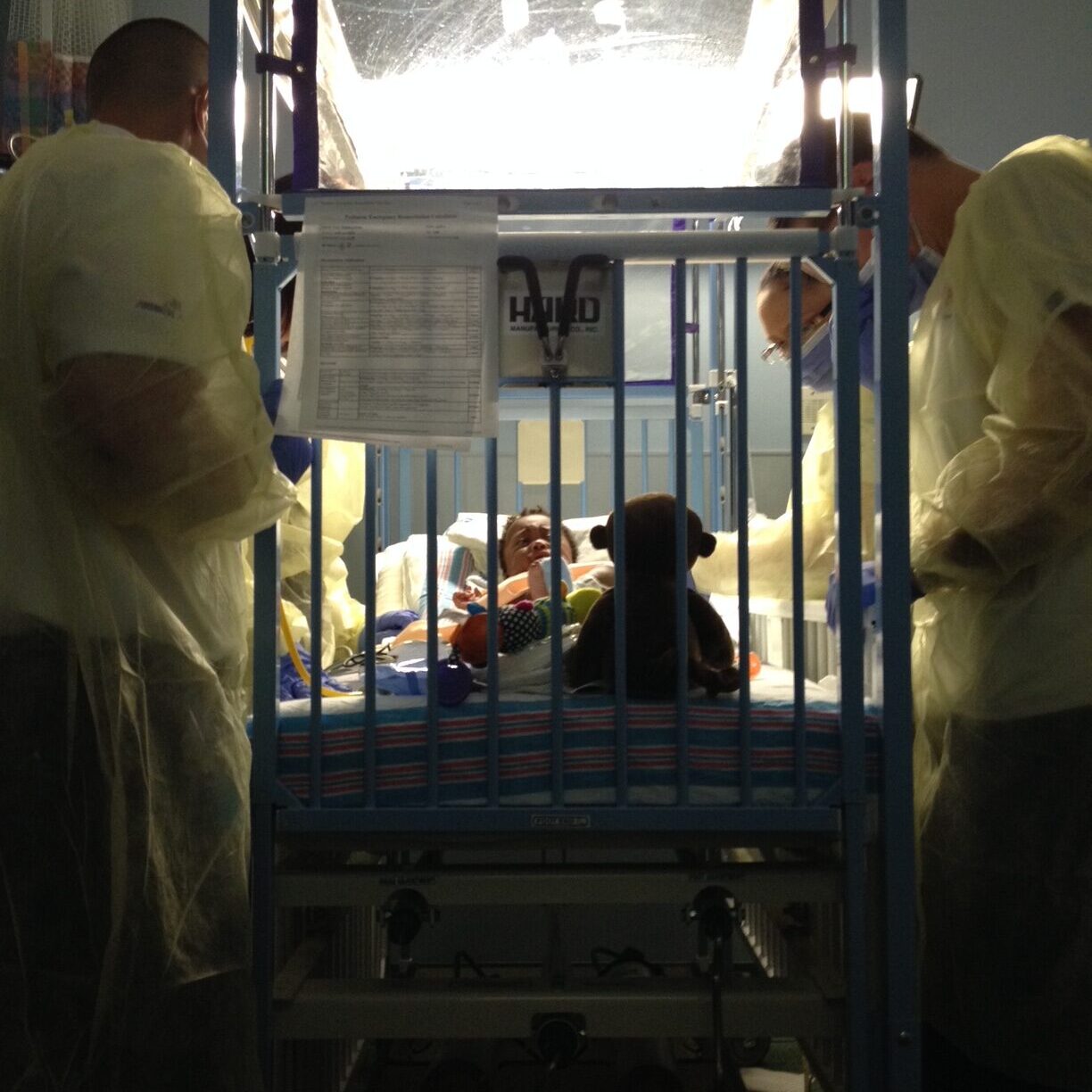
I offer a safe, compassionate space for teens to process their emotions, build coping skills, and feel empowered in their journey. Whether your teen is dealing with anxiety, depression, body image concerns, or the emotional toll of their diagnosis, therapy can be a place where they feel seen and supported—not just as a patient, but as a whole person.
Together, we’ll work on:
- Building emotional resilience and self-confidence
- Coping with pain, fatigue, or physical limitations
- Managing stress related to school, friends, or medical routines
- Finding their voice in the healthcare process
- Exploring identity, independence, and personal goals
My approach blends evidence-based techniques like Cognitive Behavioral Therapy (CBT) with a deep understanding of pediatric medical complexity. I meet teens where they are—with respect, empathy, and a belief in their strength.
FAQs
Teens managing chronic health conditions may exhibit mood or behavior changes indicating stress, anxiety or emotional struggle. Signs include irritability, withdrawal, sleep disturbances, trouble concentrating, and changes in appetite. These behaviors may stem from the physical or emotional impact of illness rather than typical adolescent development. At DLG Therapy, I help adolescent and teen clients recognize these signs and provide strategies to support their emotional health and resilience.
Living with a chronic illness can feel really overwhelming—between doctor visits, treatments, school, and keeping up with friends, it’s easy to feel like no one really gets it. In therapy at DLG Therapy, your teen can have a safe, understanding space to talk about what’s really going on, without judgment. Together, we work on building coping skills and ways to manage the ups and downs of daily life. Therapy helps teens feel less alone, understand their own strengths, and find ways to enjoy life while living with their condition.
Choosing a therapist for your child or teen can feel overwhelming, especially when they have medical needs, learning differences, or neurodivergent traits. The right therapist is someone who truly understands your child’s unique challenges, listens carefully, and works alongside you to support both your child and your family. At DLG Therapy, I combine my professional experience in pediatric medical social work with my own lived experience as a parent with medically complex/special needs children, creating a gentle, supportive, individualized approach where your child feels seen, understood, and empowered.
