
Therapy for Medical and Special Needs Parents:
Support from Someone Who Truly Understands
DLG Therapy provides telehealth therapy for parents and caregivers of children with medical complexity or special needs — addressing caregiver burnout, anticipatory grief, and identity loss. With over a decade of pediatric medical social work experience and lived experience as a parent of children with medical complexity, I offer both clinical expertise and true understanding. Telehealth available in Florida, California, Illinois, Arizona, and Utah.
When I signed up to be a foster parent, I never imagined it would also mean becoming a medical parent—times three. No book could have prepared me for the diagnoses, the hospital visits, the advocacy, or the emotional toll of it all. But through that journey, I gained something invaluable: real-life experience, deep compassion, and an understanding of what it means to parent a medically complex child.
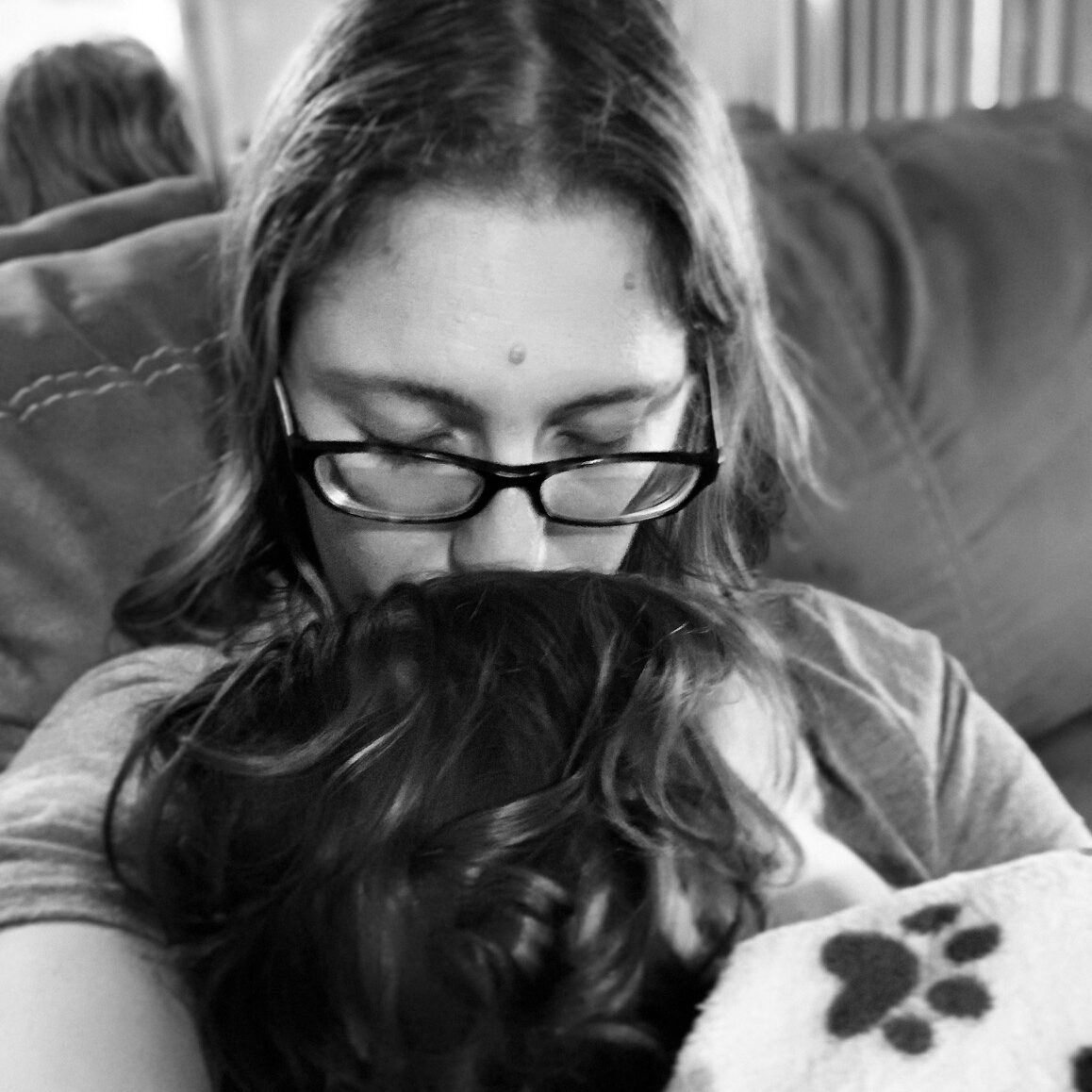
Whether you’re a foster, adoptive, or biological parent, stepping into the role of a medical parent is a whole new world. You become your child’s nurse, case manager, therapist, and advocate—all while trying to hold onto your own identity. Finding the right resources for your child is hard enough. Finding support for yourself? That can feel almost impossible.
As a therapist—and a fellow “medical mama”—I offer a space where you are truly seen, heard, and supported. I help you navigate the emotional weight of caregiving, connect you to programs and resources you may not even know exist, and guide you in rediscovering your own needs, joy, and purpose.
We’ll celebrate the small (and huge) wins, work through the moments of exhaustion and grief, and help you find strength in a journey that often feels invisible to others.
You don’t have to figure it all out alone. Together, we’ll make this journey one of healing, resilience, and empowerment by working on:
- Coping with anxiety or caregiver burnout
- Navigating grief or feelings of loss around expectations
- Strengthening your self-compassion
- Building practical strategies for balance and self-care
- Exploring your identity beyond the caregiver role
- Finding resources to help build our child’s village
FAQs
If you notice persistent feelings of anxiety, chronic fatigue, constant overwhelm, grief, guilt, isolation, loss of sense of self, difficulty balancing selfcare with caregiving demands, strained relationships, or trouble coping emotionally, those can be signs you need support. Therapy can provide a safe space to process grieving “normalcy”, manage stress, restore self-compassion, build coping habits, and reconnect with your own needs. At DLG Therapy, I help parents recognize these signals, normalize them (because caregiving for medically complex kids is HARD), and work collaboratively on healing and resilience. Remember, I am caregiver like you, so I get it.
A good therapist for specialneeds parents understands not only parenting stress, but also the unique challenges of medical care coordination, advocacy, grief, and identity shifts. Look for someone with experience in medical social work or working with families of children with chronic illness or special needs, and a willingness to support both emotional care and practical coping strategies. At DLG Therapy, I combine my professional background and lived experience as a foster/adoptive parent to medically complex children — offering empathy, practical guidance, and a safe space tailored to your journey.
The answer is ABSOLUTELY! Telehealth allows parents to access therapy from home, avoiding travel and coordinating schedules around medical appointments and caregiving duties. At DLG Therapy, I provide flexible telehealth sessions; morning coffee time, lunch breaks and after the children are sleeping are great opportunities for your needs to get met with therapy. This makes it easier to receive consistent support, practice coping strategies in real time (like ensuring you eat even during therapy!), and maintain your own mental health while caring for your child.
