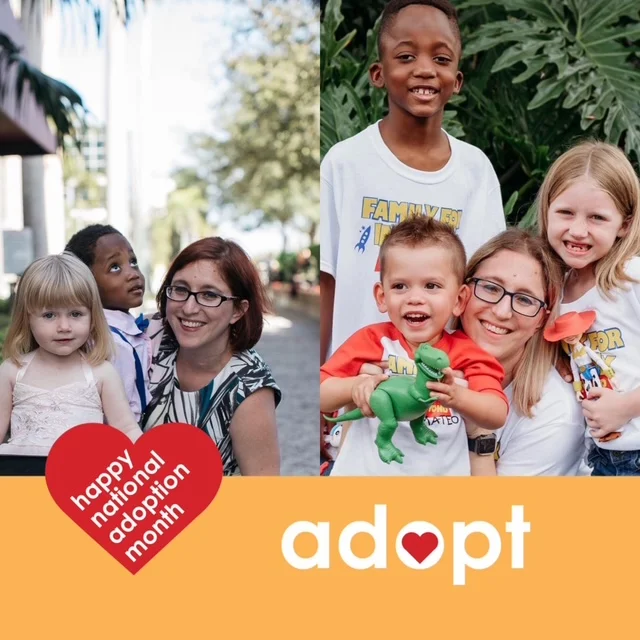
I am an adoptive parent myself. When my son was still using sign language, before he had more than a handful of spoken words, he signed to me: “Mom, I’m Black, you are white.” He wasn’t yet two. He already knew.
For years I also taught adoption trainings for prospective foster and adoptive parents. The question I heard most wasn’t whether to tell their child they were adopted — it was when, and whether waiting until the child was “old enough” was kinder. What I saw, over and over, was how little most parents understood about the real harm secrecy can cause.
In trainings, I’d ask prospective parents what the worst outcome was if they waited too long. Most guessed an awkward conversation. Almost none named the real risk: the harm isn’t the adoption. It’s discovering it was kept from you. When a child later learns — from a relative, a document, a DNA test — that their adoption was withheld, the injury becomes about trust, not adoption. It can read as evidence that their parents were willing to deceive them about their own identity, which can rupture attachment in a way honest disclosure rarely does.
My son never had to “find out” anything, because the story was always there to ask about. That didn’t make every question easy — but the ground never shifted under him. And normalization has its own funny rewards: when he started kindergarten, adoption had been such an ordinary topic at home that he started asking his classmates if they were adopted “too,” the same way he might’ve asked about a favorite color. That’s really the goal — not a child who fully understands every implication of adoption, but a child for whom it carries no more weight than any other true thing about their life.
If you’re not sure where to start, or your child is already asking questions you didn’t expect, this doesn’t have to be one perfect conversation. Kids process this best in small, honest layers over years, not one “big talk.” I’ve put together a full age-by-age guide with sample scripts you can use — from toddlers to teens — in this resource guide if you want somewhere to start.
Diana Gelfand, LCSW, is a licensed therapist, adoptive parent, and former adoption trainer specializing in foster and adoptive families, parents of children with medical complexity, and caregiver burnout. If you’re looking for support having these conversations with your child, schedule a consultation to learn more about working together.
Diana Gelfand, MSW, LCSW
Licensed Clinical Social Worker, foster and adoptive mom of three, Certified Grief Educator, and 2026 Angels in Adoption® honoree.
