
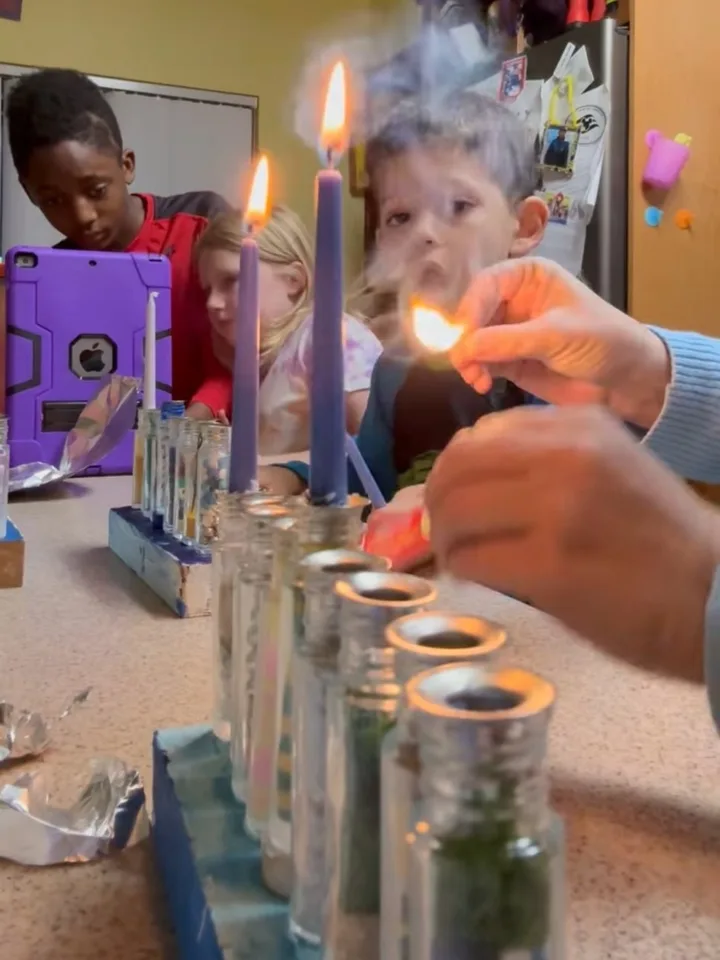
Holidays are built around a very specific image: everyone together, tradition intact, family exactly as it’s always been. For adopted and foster kids, that image can quietly collide with a more complicated reality — missing birth family, unfamiliar traditions, or the simple fact that “family as it’s always been” isn’t a stable concept for them the way it is for a lot of their peers.
None of this means the holidays can’t be joyful. It means joy and grief are likely to show up in the same room, sometimes in the same hour — and that’s not a sign anything is going wrong. It’s actually a sign your child feels safe enough to have real feelings in front of you.
The Grief Underneath the Season
Holidays are saturated with family imagery — school projects about family traditions, commercials with multigenerational tables, relatives reminiscing about “when you were little.” For a lot of kids, that’s simply nostalgic. For an adopted or fostered child, it can quietly stir grief they don’t have full words for: missing birth family, missing a history before this family, or grieving a version of “normal” they never got to have.
This is a form of what’s often called ambiguous loss — grief without a clean edge, without a funeral or a clear before-and-after, which makes it easy for the adults around a child to miss entirely. A child doesn’t need to be able to explain any of this for it to be real, and they usually can’t. It just shows up sideways: in a mood, in a meltdown that seems disproportionate to whatever triggered it, in a sudden need to be near you.
When “Big Feelings” Aren’t About What They Look Like They’re About
If your child seems more irritable, weepy, clingy, or shut down in December than they were in October, it’s worth considering that the holiday season itself might be the trigger — even if nothing appears to have changed on the surface. Kids rarely announce, “I’m having a hard time because this holiday reminds me of what I lost.” It looks more like a meltdown over a wrapping paper choice, a sudden refusal to participate in something they loved last year, or unusual clinginess right when you need to focus on hosting.
The move here isn’t to fix the mood or talk them out of it. It’s to name what’s plausible, gently and without pressure: “The holidays can bring up a lot of different feelings, even happy and hard ones at the same time. I’m here if you want to talk about any of it, and it’s okay if you don’t.” You’re not diagnosing their feelings for them — you’re just letting them know there’s room for more than the “grateful and cheerful” script the season usually hands kids.
The Weeks Before Matter as Much as the Day Itself
A lot of the hardest moments don’t happen on the holiday itself — they build in the weeks leading up to it. Anticipatory anxiety is real for kids who’ve experienced instability: the buildup, the anticipation of change, the sensory overload of decorations and school parties and shifting routines, can all be more destabilizing than the actual day. If you notice increased dysregulation, sleep changes, or behavioral shifts starting in early-to-mid December, it may not be about anything happening right now — it may be your child’s nervous system bracing for a season that has, in the past, been unpredictable.
Predictability is the antidote here, more than reassurance. A simple visual calendar of what’s actually happening each day, consistent routines protected even during the busiest weeks, and advance notice of anything new (new relatives visiting, a new location, a change in schedule) can lower a lot of that anticipatory load before it turns into a meltdown.
Building New Traditions — With Your Kids, Not Just For Them
New traditions can genuinely help. They give a child something that belongs to this family, without a “before” attached to it — something they weren’t dropped into, but built alongside you. The part that gets skipped most often is letting the child actually help build it.
Ask your child what they’d want a holiday tradition to include, rather than deciding on their behalf and presenting it as a surprise. Even young kids can weigh in on something concrete — a food they want to make together, a particular ornament, what order things happen in on the day. The goal isn’t a perfectly designed new tradition; it’s the experience of being consulted about their own family’s story, instead of having holidays, like so much else in their history, simply happen to them.
That single shift — from “here’s our new tradition” to “let’s build this together” — is often the difference between a tradition a child tolerates and one they actually claim as theirs.
Diana Gelfand, LCSW, is a licensed therapist, single foster and adoptive mother of three, and former adoption trainer specializing in foster and adoptive families, anticipatory grief, and caregiver burnout. If the holidays are bringing up more than your family can navigate alone, schedule a consultation to learn more about working together.
If your family is also navigating a child’s medical complexity, you may also want to read Hospital Holidays: Coping When Your Child Is Inpatient During the Season

Diana Gelfand, MSW, LCSW
Licensed Clinical Social Worker, foster and adoptive mom of three, Certified Grief Educator, and 2026 Angels in Adoption® honoree.
